
I have been lazy.
Really I underestimated the sheer amount of work. Looking back at months of training, a lot of the early wins turned out to be less durable than I thought.

1) Aerobic capacity
2) Lactate threshold
3) VO2max
A heart, lungs, 60,000 miles of blood vessels, trillions of mitochondria.
Time under stress grows them all — to oxygenate your muscles and keep them going.
4) Coordinated strength
5) Mobile joints
6) Resilient tissues
7) An upright body
206 bones, 600+ muscles, thousands of tendons and ligaments.
Trying to spot-target any single piece is a battle you always lose.
8) Controlled breath
9) Efficient movement
10) Neural drive
86 billion neurons, a spinal cord, 45 miles of nerves.
Drill the pattern enough and the wiring fires it on its own.
Four disciplines, each covering ground the others can't.

Running economy through form drills and hill sprints. Aerobic capacity, lactate threshold, and VO2 max — planned around the only thing your body actually understands: time under stress.

Range of motion and balance for a frictionless stride. Breath control for the moments running tests it most. Specifically designed for runners’ bodies.
Ballistic power. Postural strength. Whole-body coordination. Kettlebells build exactly what running demands, fast and at home.

The perfect counterbalance to running: flushes tired legs, opens the posture running compresses, and trains breath under load.
Real Journey, Real Training
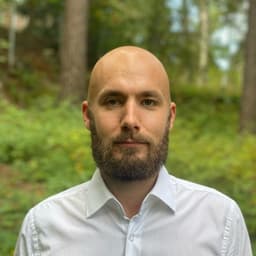
Nico
Founder, 1st Marathon
I went from running once a month to running a marathon in 8 months. I was barely holding on, and everything but running stalled.
I needed to become stronger. I had to fix my posture and increase my mobility. Traditional strength training and stretching just didn't cut it.
The answer was kettlebells, yoga and swimming. I had done each separately before, but integrating them into one coherent system was a game changer.
A method I couldn't just keep to myself.
Training Progress
Start
Oct 5, 2025
Race Day
May 16, 2026
Week 30 of 30
100% complete
On October 5, 2025, I started training for my first marathon. Fully documented. Same AI coach you'll use.
Really I underestimated the sheer amount of work. Looking back at months of training, a lot of the early wins turned out to be less durable than I thought.
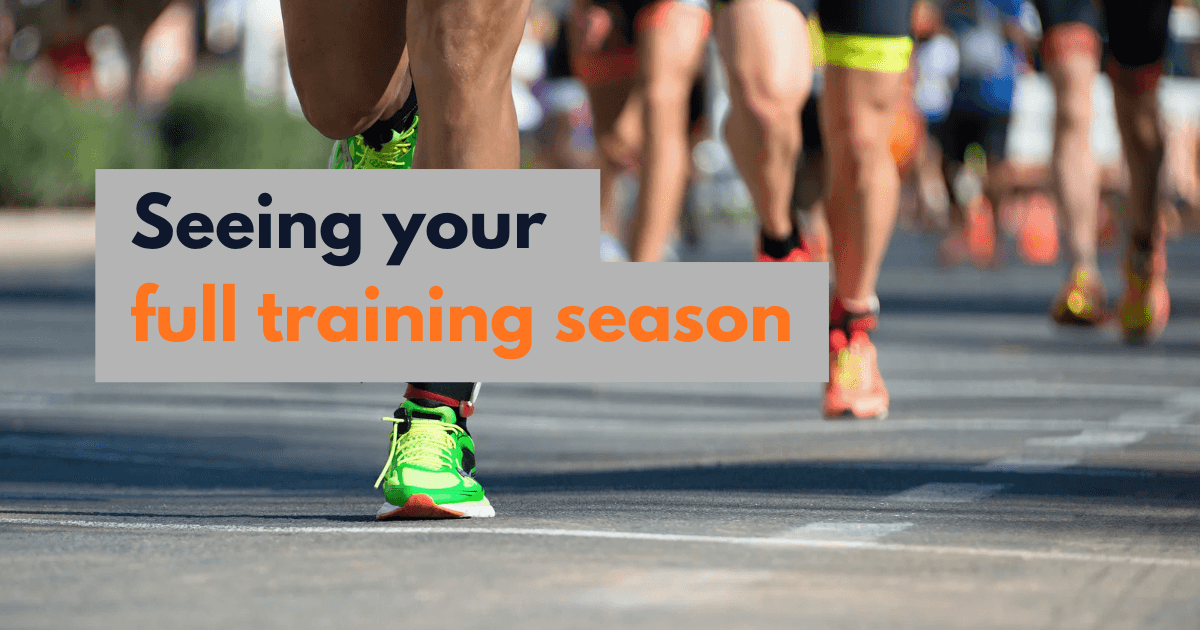
Understanding how your daily and weekly training connects to the big picture is crucial for trust and motivation.
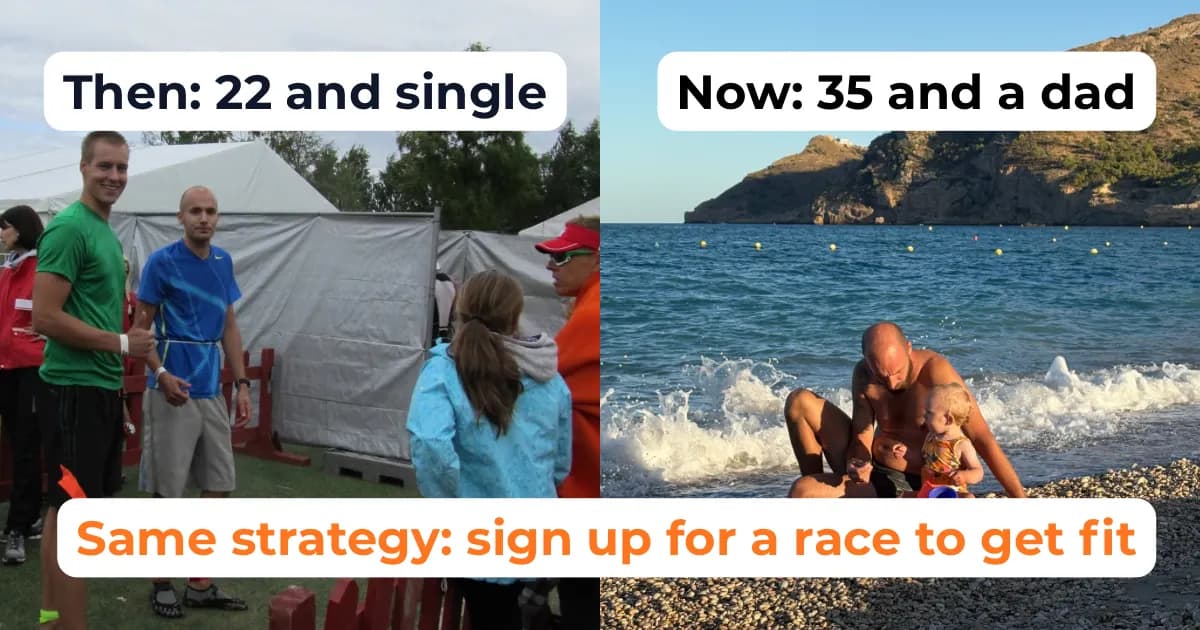
I’ve failed to get back in shape since the pandemic. So late one night, I did something drastic: I signed up for a marathon. Here’s why it might work out this time.
Questions
Each one earns its spot on the body's terms. Running is what we evolved to do — that's the work. Kettlebells return us to natural loaded movement, building the power and posture running demands, fast and at home. Yoga is mobility and breath, refined over thousands of years and built for runners' bodies. Swimming adds aerobic volume without impact, the perfect counterbalance to pounding. Together they cover what a marathon body actually needs.
Kettlebells give you ballistic, full-body, asymmetrical loading — the kind of work that translates to a stride. Swings, cleans, get-ups, snatches: explosive hip drive, postural strength, single-side stability. You can do it at home in 30 minutes with one tool. A barbell program doesn't fit a runner's life, and machine-based strength misses the coordination piece.
Stretching alone doesn't change tissue or movement quality — it just gives you temporary range. Yoga combines mobility, balance, and breath under tension. The breath training is the part runners underestimate: nasal breathing, controlled exhales, learning to stay calm when your body wants to panic. That's what running tests at mile 20.
Your body understands stress, not kilometres. Forty-five minutes at easy effort is forty-five minutes whether you ran 7 km or 9 km that day. Time-based training scales naturally with how you feel, removes the temptation to push pace on easy days, and keeps the work honest when terrain or weather change. Pace and distance still matter — they're just the output, not the prescription.
You can. Most people who do break down before race day. Running alone trains one set of patterns and grinds the same tissues over and over. The other three modalities aren't optional extras — they're what lets you hold the running mileage without breaking. Skip them and you're betting on luck.
Same method, two doors. The knowledge base is everything we know — workouts, philosophy, protocols — free, forever, for anyone who wants to read it and run their own plan. The app is for when you don't want to plan: it sequences the four disciplines around your race, your life, and your recovery, week by week, on your watch. Pick whichever fits.
Yes. Workouts run directly on the watch with live heart rate targets and step-by-step guidance. HealthKit feeds training load and recovery back to the plan automatically, so adjustments happen without you logging anything. Without the watch, the experience falls apart — so we make it required.
Yes, with the right runway. The method is the method whether you've run a 2:30 or never run a kilometre — easy is still 80% of the work, kettlebells still build the body, yoga still teaches the breath. Beginners just need more weeks to get there. If you don't have a race yet, start with base building and add one when you're ready.
Two ways in
Learn the method
Free, forever
All our workouts, teachings, and knowledge.
Get the app
Just show up and train
Monthly
Annual
$124.70 billed annually
Available on iOS · Requires Apple Watch